
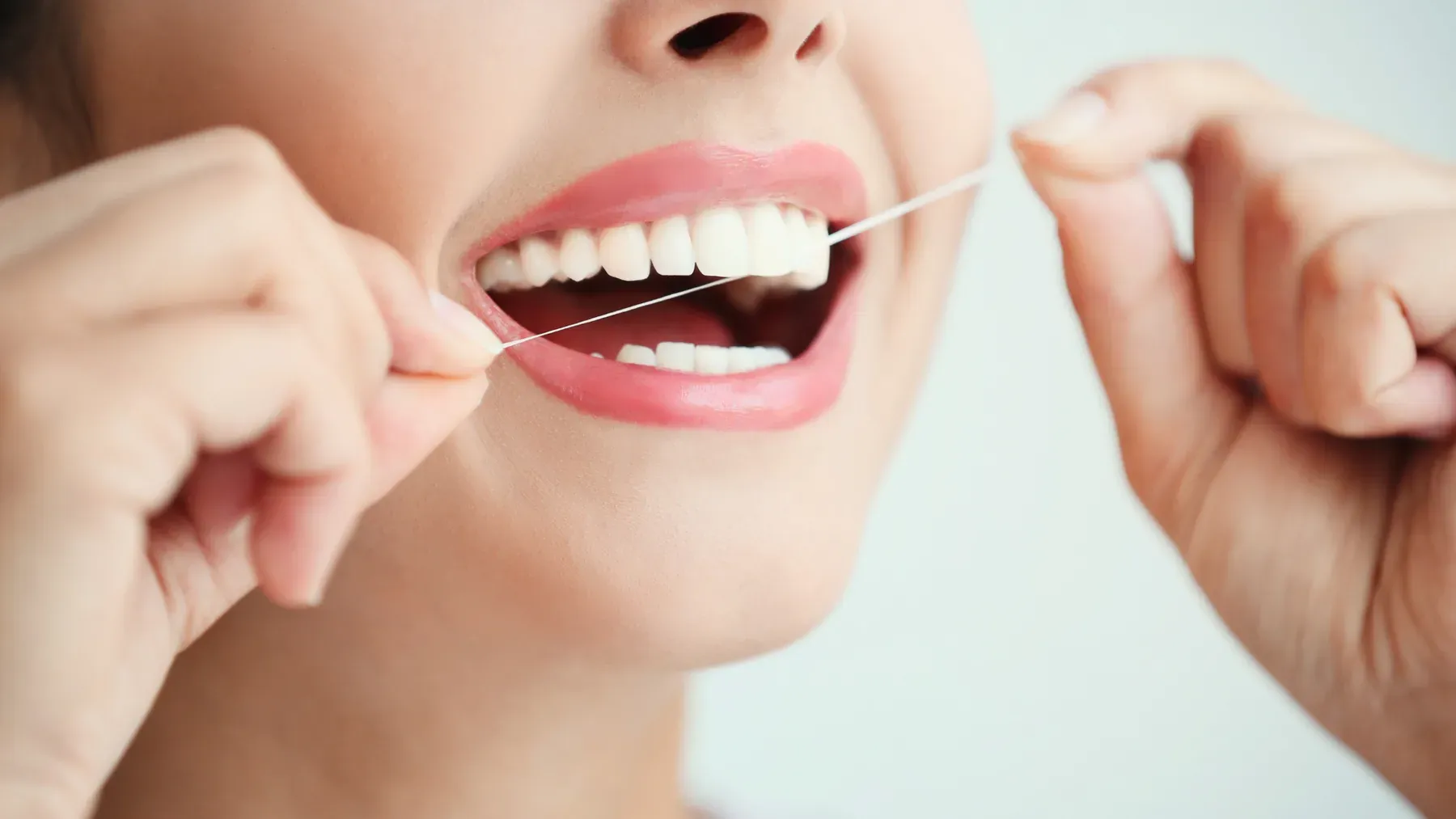
A professional cleaning removes the hardened plaque and tartar that brushing and flossing at home cannot lift, and the exam that goes with it gives Dr. Beaty a close look at your teeth, gums, and any existing dental work. Most people come in twice a year. It is quiet, routine care, and it is the simplest way to keep small trouble spots from turning into fillings, root canals, or gum treatment later on.
Why home care alone isn't enough
Brushing twice a day and flossing do most of the work, but plaque left behind hardens into tartar within a day or two, and tartar bonds to enamel firmly enough that no toothbrush will shift it. It collects along the gumline and just beneath it, where it holds bacteria against the gum tissue. A hygienist can lift that deposit off with hand instruments and an ultrasonic scaler. That part of the visit is the piece you cannot replicate at the bathroom sink, however conscientious you are.
What a visit usually involves
Plan on about an hour. Your hygienist starts by looking over your gums and measuring the shallow spaces between gum and tooth, which is how gum health is tracked from one year to the next.
- Scaling to remove plaque and tartar above and below the gumline
- Polishing to lift surface stains and leave the enamel smooth
- Flossing, plus a check of any crowns, fillings, or bridges
- An exam by Dr. Beaty and a screening for signs of oral cancer
- Radiographs when they are due or when something needs a closer look
How often to come in
The American Dental Association recommends a cleaning and exam every six months, and that rhythm suits most people well. If you are prone to gingivitis, or you have dental implants, an interval of three to four months is often advised instead, since those situations give bacteria more opportunity to take hold. Smoking, dry mouth, diabetes, and a history of gum problems can all shift the schedule. Dr. Beaty will suggest a timing based on what your mouth actually shows, and revisit it as things change.
Keeping plaque down between visits
The habits that matter are unglamorous, and they work. Brush twice a day for a full two minutes with fluoride toothpaste, and floss once a day so the surfaces between teeth are not left to fend for themselves.
- Use a soft-bristled brush and replace it every three to four months
- Swap it sooner if the bristles start to splay or bend
- Manual or electric both work; the ADA points to correct, consistent use as what counts
- Ask your hygienist to watch you brush and correct your angle
When a routine cleaning isn't the right tool
If bacteria have worked below the gumline and the supporting bone has started to recede, a standard cleaning stops being enough on its own. Gums that bleed, feel tender, or appear to be pulling back from the teeth are worth mentioning, as is breath that stays bad however well you brush. In those cases the conversation turns to gum disease and the deeper scaling and root planing that treats it. Catching it early matters, because inflammation confined to the gums can usually be reversed, while lost bone does not grow back on its own.
Children and early visits
Kids do well on the same six-month rhythm, and early appointments are as much about familiarity as anything else: a ride in the chair, a count of the teeth, a look at how the permanent ones are lining up underneath. Fluoride varnish and sealants over the grooved chewing surfaces of new molars are often worth discussing once the back teeth arrive. If your child is anxious, bring them along to your own appointment first so the room stops being unfamiliar territory.
Telling us what makes you uncomfortable
Sensitive teeth, a strong gag reflex, a jaw that aches when it stays open, a bad experience years ago: none of that is unusual, and mentioning it beforehand changes how we work. We can go slower, put topical numbing gel on tender spots, break the visit into shorter stretches, or simply stop when you raise a hand. Talking through what needs treatment is also easier when we can pair what we see with current X-ray images. When you are ready to schedule an appointment, our front desk can find a time that fits around work or school.
Common questions about cleanings & exams
Does a dental cleaning hurt?
For most people it is uncomfortable at worst, not painful. Scaling around inflamed gums can sting, and sensitive roots may react to cold water or the polishing cup. Tell your hygienist where it is tender and the approach can change, including topical numbing gel. Gums that are healthy to begin with tend to make the whole visit easier.
Why do my gums bleed when I floss?
Bleeding is usually a sign of inflammation from plaque sitting along the gumline, not a reason to stop flossing. In many cases gums settle within a week or two once flossing becomes daily and the plaque is disrupted. Bleeding that continues beyond that, or that appears in only one spot, is worth having looked at.
How long does a cleaning and exam take?
Plan on roughly an hour for a routine visit, which covers scaling, polishing, flossing, the exam, and any radiographs that are due. A first appointment often runs a little longer because we are building a full record. If heavy tartar has built up over several years, the work may be split across two visits.
What happens if I've skipped cleanings for years?
Nothing you will be lectured about. We start with an assessment of your gums and teeth, take images to see what is happening below the surface, and lay out what needs attention first. If tartar deposits are heavy or the gums are inflamed, treatment may be staged rather than done all at once.
